More on Today's Meaning of Werewolves

Updated: May 12

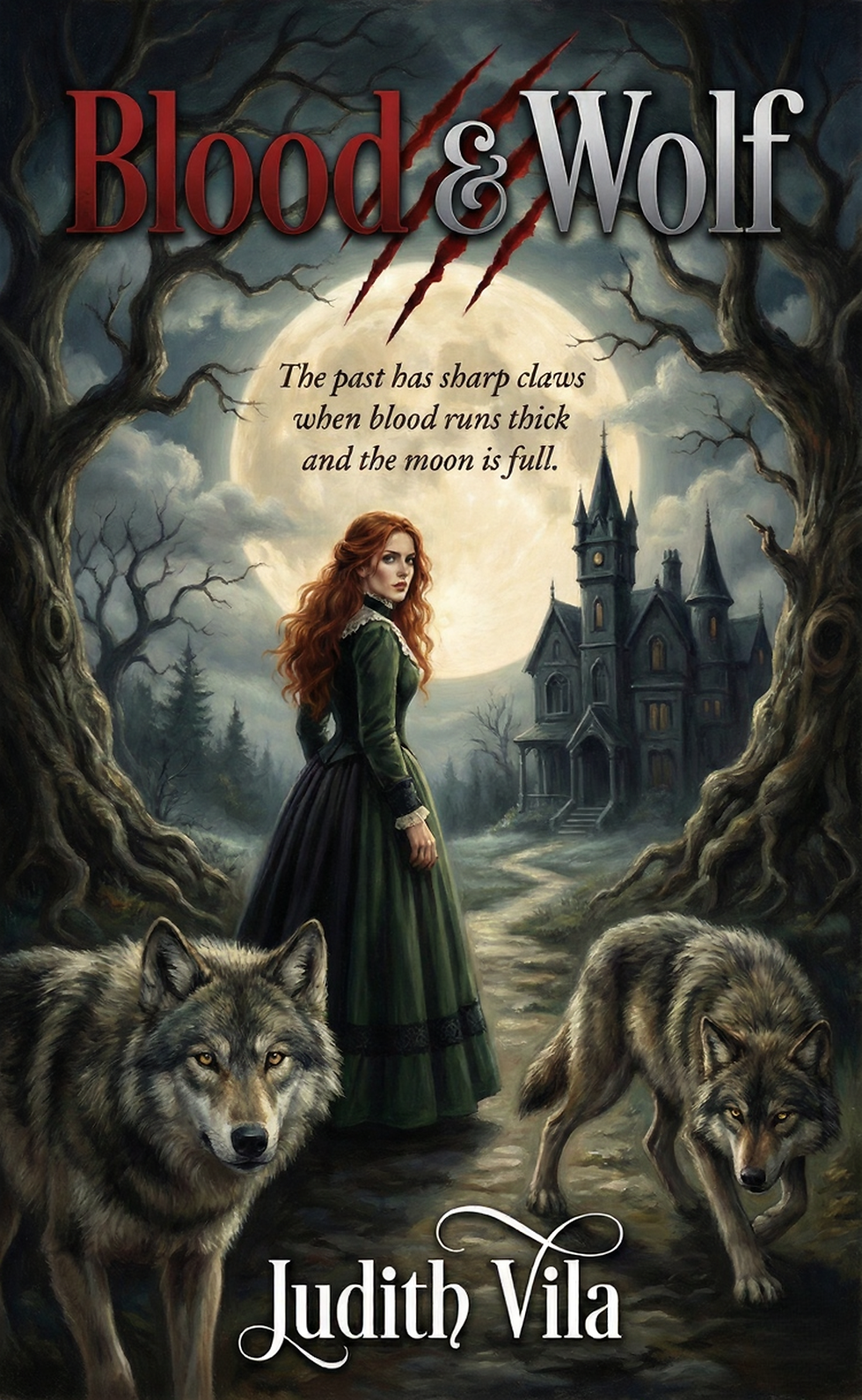
Werewolves have long been a staple of folklore and horror. Once portrayed mainly as terrifying monsters lurking in the shadows, werewolves now appear in a variety of forms that reflect social attitudes and storytelling styles. If you follow my Substack, Romance at a Dark Wood's Edge, you may have read my article about my writerly feelings as I developed my werewolf characters in BLOOD & WOLF, my Gothic romance. But after I wrote the Substack piece, more werewolf thoughts bubbled in my brain, needing to get out. So, this post expands on my Substack reflections with some observations about common werewolf tropes I've observed in stories recently and I'd love to hear what you think about werewolves, too.
1. Werewolves as Reluctant Monsters
Today, many stories present werewolves as sympathetic figures struggling with their dual nature, depicting werewolves as everyday people trying to balance their human lives with their animal instincts. This allows readers to connect emotionally with the werewolf characters, exploring themes of identity, acceptance, and self-control. In this case, the wolves are often portrayed as victims, who become reluctant monsters', remaining innocent, in part or in whole, whatever their monstrous selves perpetrate. By portraying werewolves in this way, we, as readers, are led to feel sympathy, maybe even empathy. We see ourselves in the monster, instead of rejecting the 'other' with fear and loathing. I love these tales which enable me to examine myself in a new light.
2. Werewolves as Community Organizers
I often see stories that weave threads of rigid hierarchy, territoriality, and the dynamics of leaders and followers into the fabric of the plot. These stories frequently present an alpha wolf/apex leader who organizes a community of wolves for some purpose, good or bad. Everyone must submit. Themes that emerge are versions of loyalty and belonging contrasted against living outside a group's norms. I've read some fabulous writing from authors who write these type of stories, but I'm not a fan of these messages. To me, obeying a pack leader or conforming to a particular group are actions to be avoided; not ideals to celebrate.
3. Werewolves as Metaphors for Real-Life Issues
Modern portrayals often use werewolves as metaphors for real-life struggles. Their transformation can symbolize puberty, mental health challenges, or social conditions. For instance:
Uncontrollable change into a werewolf mirrors the physical and emotional turmoil of adolescence or anger impulses against perceptions of powerlessness or impotence.
The stigma and secrecy surrounding werewolves can represent the experience of individuals who feel marginalized or isolated in their experience of the world.
Wolf-beings enable explorations of common problems in our culture today, such as addiction, vigilantism, and tolerance of violence and abuse.
For anyone interested in supernatural stories or cultural trends, watching how werewolves continue to appear in books and stories offers insight into broader shifts in our world. Do you agree? How do you feel about werewolf characters in the books you read? Growl at the comments box and let me know!


Comments